


Bu ürün 3000 TL üzeri olduğu için kargo ücreti bizden!

Classic Shaving Set - W 31 H 55 D
22.399,00TL
Skip to product information


Classic Shaving Set - W 31 H 55 D
22.399,00TL
11.199,50TL x 2 ay vade farksız ya da 12 aya varan taksit seçenekleri.
Ürün Kodu: S31H55SR
Classic Shaving Set - W 31 H 55 D
3-piece shaving set, Karelia Birch handle, metal parts chrome-plated.
- Silvertip Fibre® synthetic badger brush, knot diameter: 21 mm (M)
- Safety razor, closed comb
- Handle: Karelia Birch
- 1 double-edged razor blade
- Chrome-plated metal shaving set stand
Our closed-comb safety razors can be used by anyone new to traditional wet shaving. These razors are suitable for daily shaving and are of a quality that can be used for a lifetime.
Made in Germany.
Mühle Hakkında
Take time for yourself, enjoy the peace and quiet for a moment, and leave the hectic pace of the new day at the bathroom door. As Mühle, since 1945, we call this ritual, which we incorporate into our daily lives, “Shaving Culture.” This is the shaving culture that the Mühle factory has been building for the past 75 years in the Ore Mountains of Germany.
Our third-generation family business today represents sustainable products created by hand with true dedication. With contemporary and timeless designs, avant-garde forms, and wet shaving classics, tradition is as important to us at Mühle as constantly looking to the future.
Whether it's shaving brushes or safety razors, classic razors, bowls, or the right care product: Mühle's entire focus is consistently on the best materials combined with sustainable production practices.
It is one of the largest manufacturers in the world, producing products of the highest quality for cosmopolitan people. Made in Stützengrün, Germany.
Ne işe Yarar
| Material | Metal Chrome Plated - Karelian Birch |
| Color | Light Brown |
| Type | 3-piece shaving set |
| Head Type | Closed Comb |
| - Length (with head) | 115 mm |
| - Length (handle) | 105 mm |
| - Head Length | 40 mm |
| - Weight | |
| - Blade Compatibility | Double-edge razor blades |
| Shaving Brush | Silvertip Fibre |
| - Knot Diameter | 21 mm |
| - Bristle Length | 55 mm |
| - Handle Length | 55 mm |
| - Total Length | 110 mm |
| Daily Shaving | Suitable |
| Aggressiveness | Medium Aggressive |
| Place of Production | Germany |
Detaylar
Bu Üründe Kargo Bedava
Türkiye'den Hızlı Gönderim
Siparişleriniz Türkiye depomuzdan hızla yola çıkar.
14 Gün Ücretsiz İade Hakkı
Koşulsuz şartsız 14 gün iade hakkı.
%100 Orijinal Ürün Garantisi
Tüm ürünlerimiz %100 orijinal ve faturalıdır.
DAHA FAZLA GÖSTER
Mühle Ürünleri
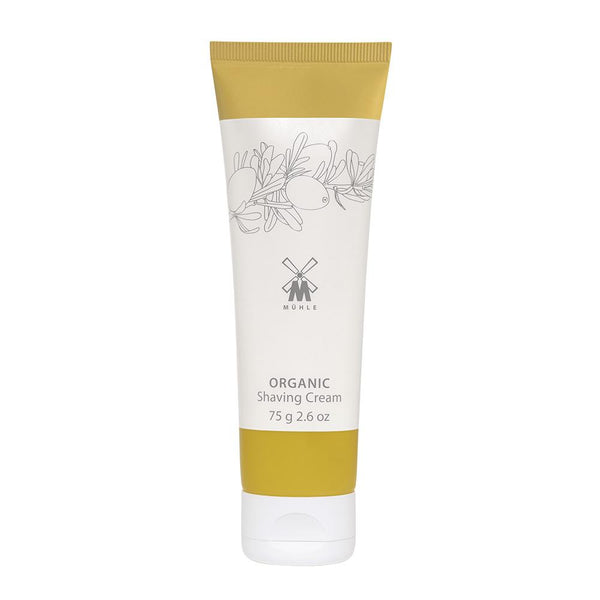
Mühle Aftershave Balm - Sea Buckthorn


BUGÜN KARGODA
MühleMühle Aftershave Balm - Sea Buckthorn
Mühle imzalı şık ve fonksiyonel tıraş sonrası balsam - yabani i̇ğde özlü.


Mühle Silvertip Badger Shaving Brush 091 H 250


BUGÜN KARGODA
MühleMühle Silvertip Badger Shaving Brush 091 H 250
Mühle imzalı şık ve fonksiyonel porsuk tıraş fırçası - 091 h 250.
Sizin İçin Seçtiklerimiz
SON GÖRÜNTÜLENENLER
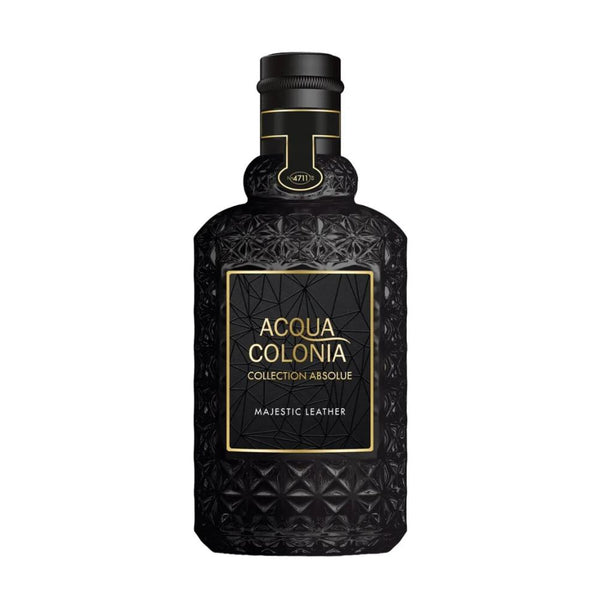
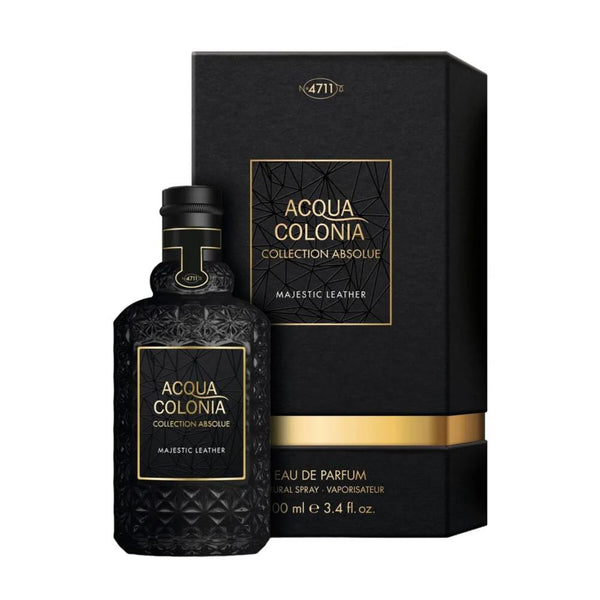
Absolue Collection Majestic Leather EDP 100 ml Unisex Parfüm
BUGÜN KARGODA
4711Absolue Collection Majestic Leather EDP 100 ml Unisex Parfüm
4711 Absolue Collection Majestic Leather EDP 100 ml Unisex Parfüm ile Alman parfümeri geleneğinden gelen ferah ve rafine koku deneyimi.
Light Blue Herringbone Handmade Organic Cotton Shirt


Borriello NapoliLight Blue Herringbone Handmade Organic Cotton Shirt
Neapolitan elegance with the noble depth of herringbone texture and the unwavering comfort of organic cotton.


Acqua Di Giò Parfum Refill 150 ml


Giorgio ArmaniAcqua Di Giò Parfum Refill 150 ml
The most intense form of legendary freshness, now with a sustainable refill design.