


Bu ürün 3000 TL üzeri olduğu için kargo ücreti bizden!

Classic Shave Set - S 81 M 228 SSR
9.199,00TL
Skip to product information


Classic Shave Set - S 81 M 228 SSR
9.199,00TL
4.599,50TL x 2 ay vade farksız ya da 12 aya varan taksit seçenekleri.
Ürün Kodu: S81M228SSR
Classic Shave Set - S 81 M 228 SSR
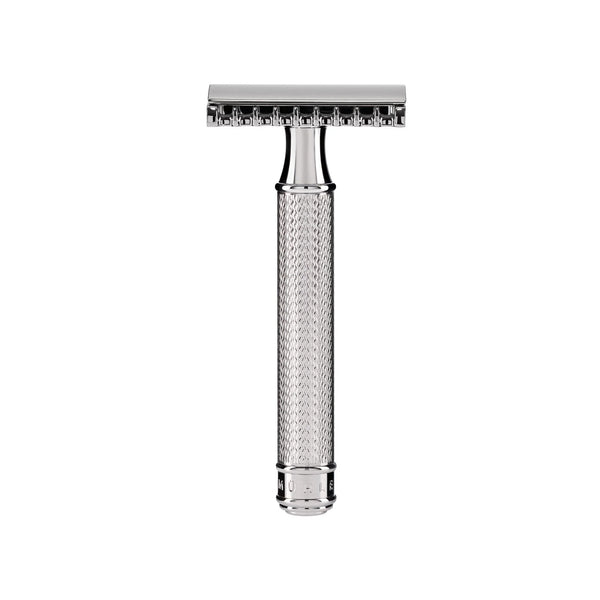
This Mühle razor, which will become a staple in your cabinet, was manufactured in Germany with signature design that provides the closest shave and durability to serve you a lifetime.
The difference with Mühle razors lies in their durability, provided by impeccable craftsmanship and material quality, and the superiority of the shave they deliver thanks to their correct dimensions and center of gravity.
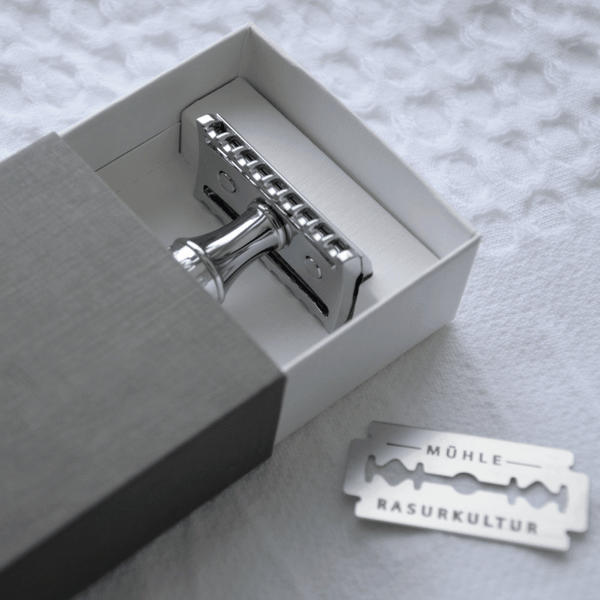
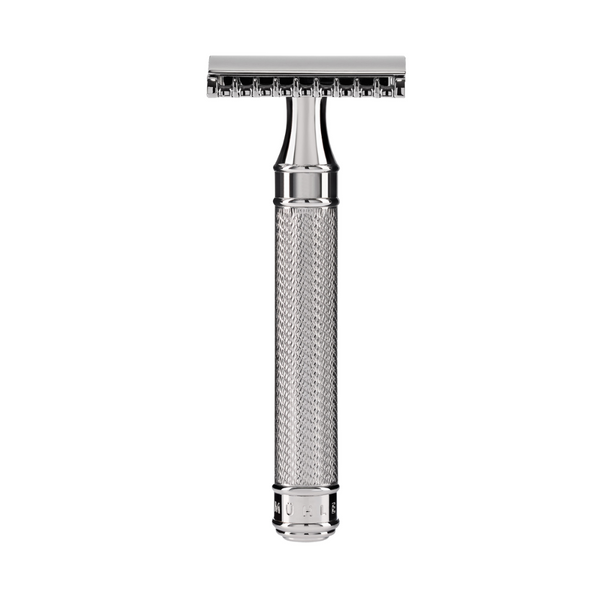
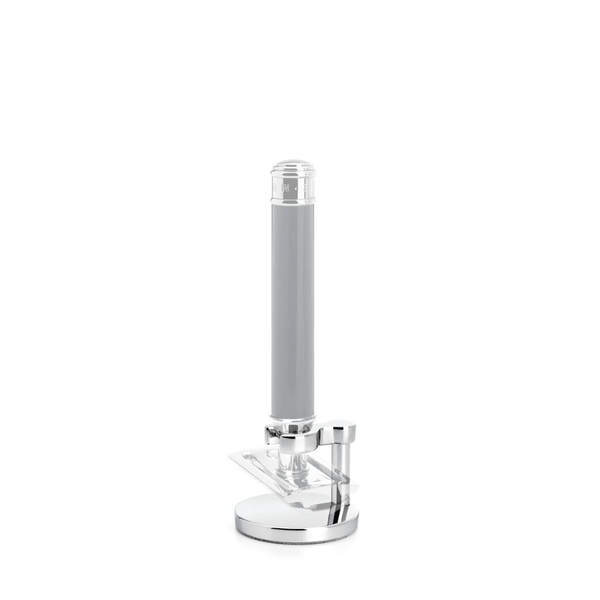
It is a closed comb classic razor, designed with colored resin and metal – chrome plated, rust-resistant, and performing with double-edge blades.
The head structure determines the performance of a classic razor, and this razor has a closed comb head.
A closed head is a structure where a safety bar is present, allowing the blade to contact your skin at a controlled and safe angle.
Closed-head razors are preferred by those new to traditional shaving, who shave daily or every 2-3 days, and those with sensitive skin.
The blade cannot directly contact your skin; it can only contact it at an angle between 30-45 degrees. This provides a controlled and medium-mild shave.
Made in Germany.
Mühle Hakkında
Take some time for yourself, enjoy a moment of peace and quiet, and leave the hectic pace of the new day at the bathroom door. Since 1945, Mühle has called this ritual, which we incorporate into our daily lives, "Shaving Culture." This is the shaving culture that the Mühle factory has been building for the past 75 years in Germany's Ore Mountains.
Our third-generation family business today represents sustainable products handcrafted with true dedication. With contemporary and timeless designs, avant-garde forms, and wet shaving classics, tradition is as important to us at Mühle as constantly looking to the future.
Whether it's shaving brushes or straight razors, classic safety razors, bowls, or the right care product: Mühle's entire focus is consistently on the best materials combined with sustainable production practices.
It is one of the world's largest manufacturers producing top-quality products for cosmopolitan people. Made in Stützengrün, Germany.
Ne işe Yarar
4-piece shaving set with handle - Premium resin:
- Pure badger hair shaving brush
- Medium-sized shaving brush head, knot diameter: 21 mm
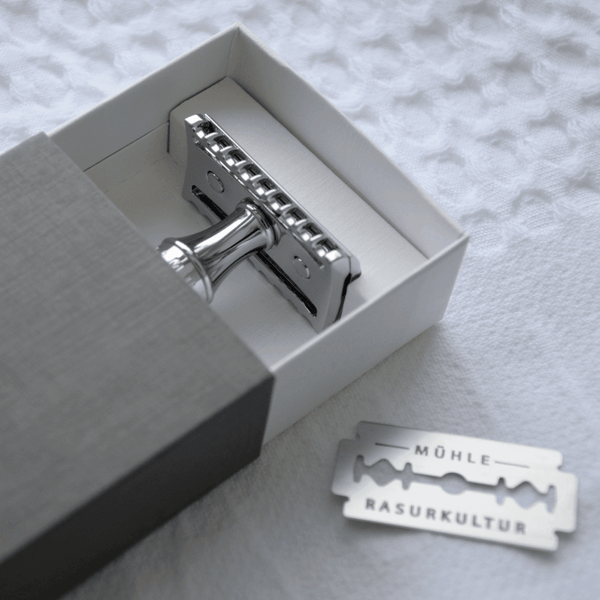
- Double-edge safety razor, closed comb, compatible with all double-edge blades
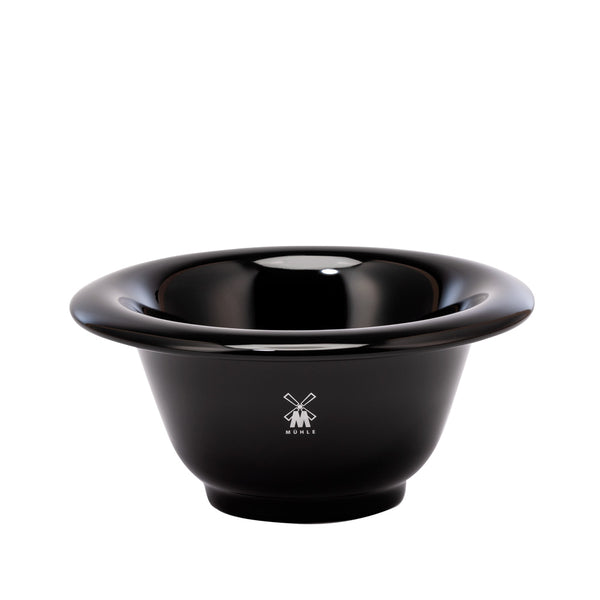
- Metal bowl, chrome-plated
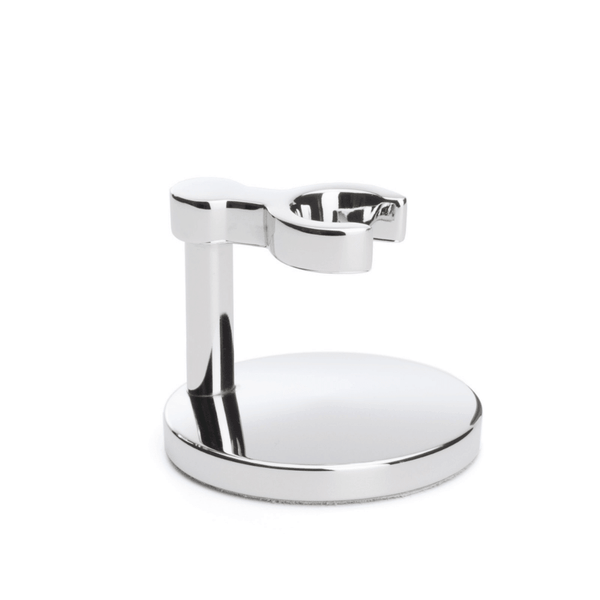
- Metal stand, chrome-plated
| Material | Premium resin |
| Color | Blue |
| Type | 4-piece shaving set |
| Head Type | Closed Comb - R 89 - Replaceable |
| - Length (with head) | 109 mm |
| - Handle Diameter | 17 mm |
| - Blade Compatibility | Double-edge blades |
| Shaving Brush | Pure badger |
| - Knot Diameter | 21 mm |
| - Bristle Length | 55 mm |
| - Handle Length | 50 mm |
| - Total Length | 105 mm |
| Stand Height | 140 mm |
| Product Box Size | 140x170x95 mm |
| Daily Shave | Suitable |
| Aggressiveness | Medium Aggressive |
| Place of Manufacture | Germany |
Detaylar
Bu Üründe Kargo Bedava
Türkiye'den Hızlı Gönderim
Siparişleriniz Türkiye depomuzdan hızla yola çıkar.
14 Gün Ücretsiz İade Hakkı
Koşulsuz şartsız 14 gün iade hakkı.
%100 Orijinal Ürün Garantisi
Tüm ürünlerimiz %100 orijinal ve faturalıdır.
Mühle Ürünleri
Sizin İçin Seçtiklerimiz
SON GÖRÜNTÜLENENLER
Acqua Di Giò Profondo Eau de Parfum Refillable 100 ml
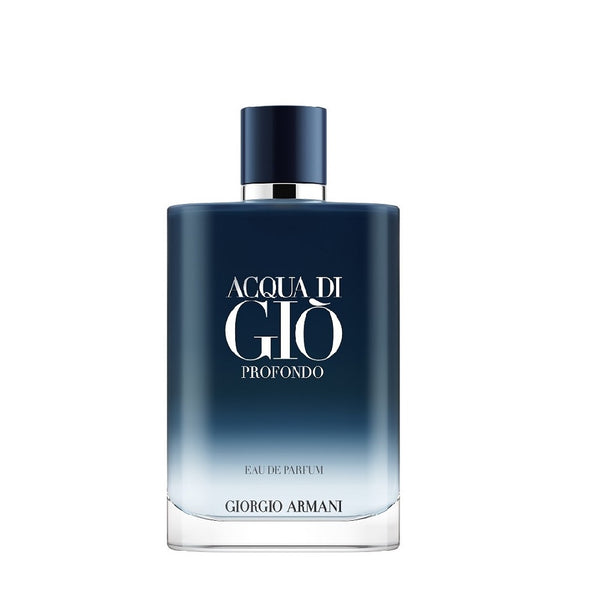


Giorgio ArmaniAcqua Di Giò Profondo Eau de Parfum Refillable 100 ml
Hidden in the depths of the sea, the pinnacle of intense freshness and modern masculinity.
All Healing Salve Body Care Cream 30 gr
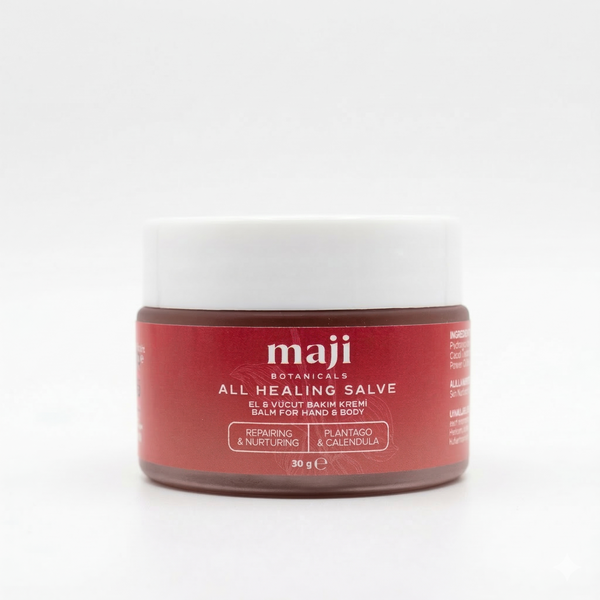
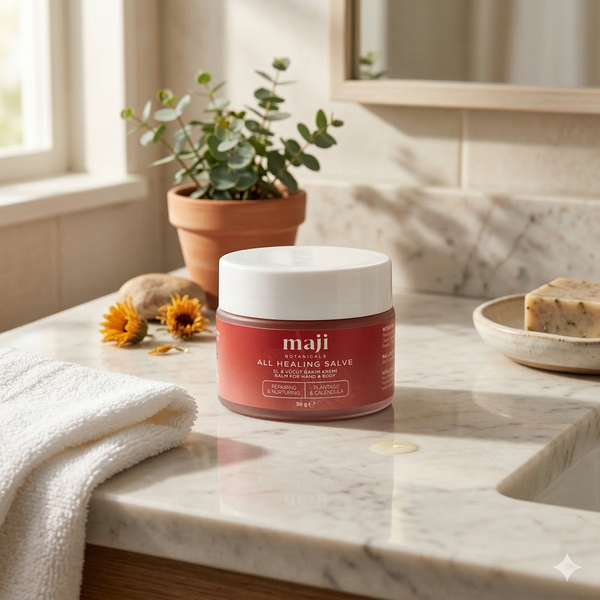
Maji BotanicalsAll Healing Salve Body Care Cream 30 gr
Multi-purpose repair from nature's medicinal plants.