


Virtual Reality and Augmented Reality: Beyond Our Imagination
Virtual Reality (VR) and Augmented Reality (AR) are two exciting technologies that push the boundaries of technology and allow us to go beyond our imagination. International news often features young people on the street, bus, or subway wearing huge glasses and making 'strange' movements. As technology progresses in this direction, we are naturally curious about what awaits young people and what we will encounter.
In this article, we have compiled the fundamentals of VR and AR, their operating principles, and how they can permeate our daily lives.
Fundamentals of VR and AR:
VR: A technology that allows users to experience a sense of presence in a computer-generated virtual environment. With VR headsets, users can navigate this virtual environment, interact with objects, and have various experiences.
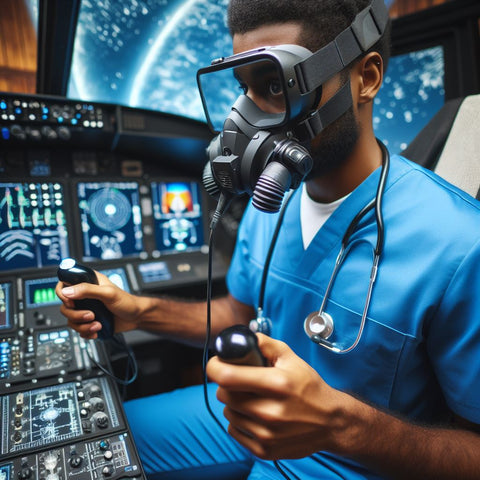
For example, by wearing a VR device, we can feel as if we are walking on another planet or embark on a journey by sitting in the cockpit of a spaceship.
AR: A technology that adds virtual elements to the real world, also known as a resource. By using AR applications on devices such as smartphones or tablets, users can see virtual objects in their real environments and interact with them.
For instance, we can virtually place furniture from a furniture store into our home to see how it would look, or get instant information about historical buildings we encounter while walking down the street.
What is the difference between VR and AR?
VR:
Transports users completely into a virtual world.
Requires special headsets.
Offers a more passive experience.
Example: VR games, virtual tours, surgical simulations.
AR:
Applications of VR and AR:
Entertainment: Although not widespread yet, entertainment forms such as VR games, virtual concerts, and VR films are preparing to make the experience more immersive. You could stand close to the main character as if you were in the movie, or attend your favorite artist's concert from your living room chair.


Education: Learning will become easier and more enjoyable with virtual tours, simulations, and interactive lessons. We will be able to visit historical sites virtually or better understand complex scientific concepts through VR experiences.
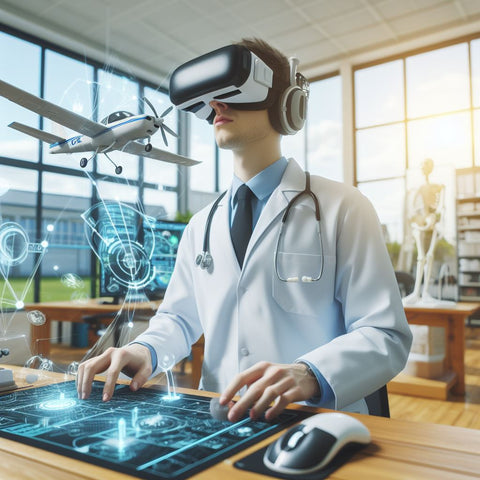
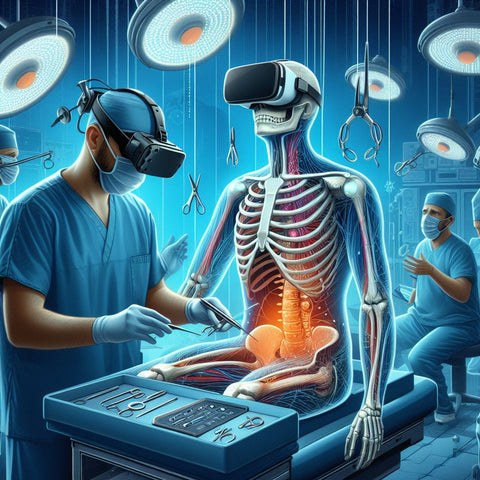
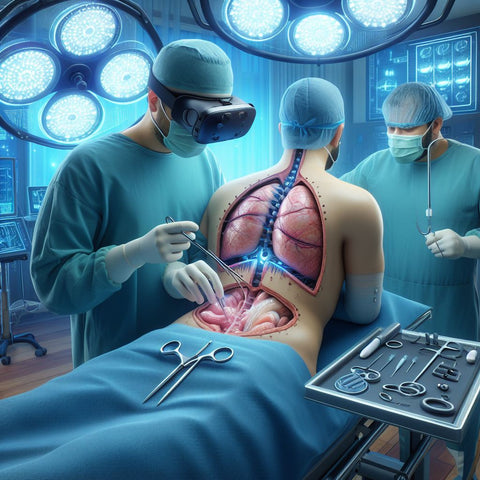
Healthcare: Studies are underway to help surgeons perform operations with smaller incisions and less tissue damage using VR and AR technologies. This means faster recovery times and fewer complications for patients. Especially for patients who will transition to a virtual environment, this means they can overcome their hospital phobias.
Shopping: We will be able to virtually try on products before buying them and browse virtual stores. The online shopping experience will become more interactive, realistic, and enjoyable. Customers will be able to better understand how products look and are used through developed experiences.


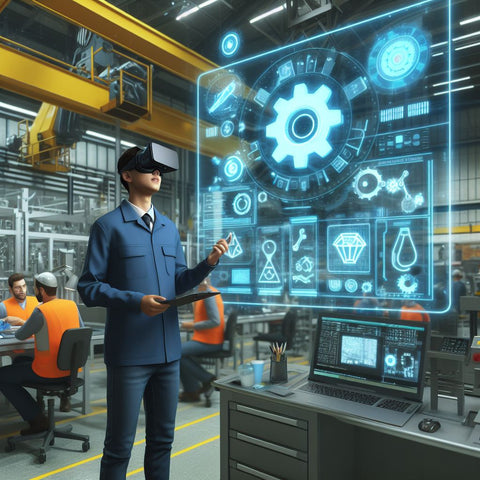
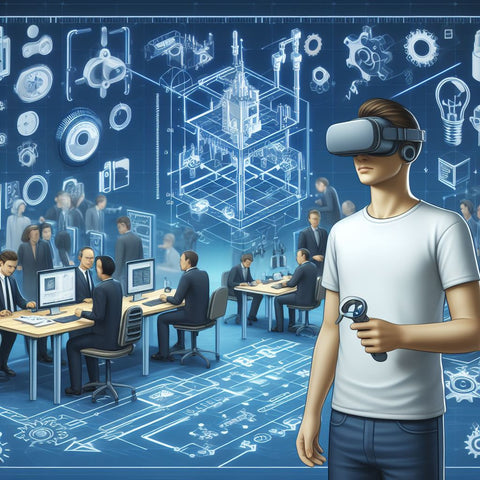
Industry: Design and production processes will become faster and more efficient, AR will provide instructions and guidance to employees, and maintenance and repair operations will be simplified. VR and AR will also contribute to the development of new business models and applications in industry, with countless studies still underway in this area.
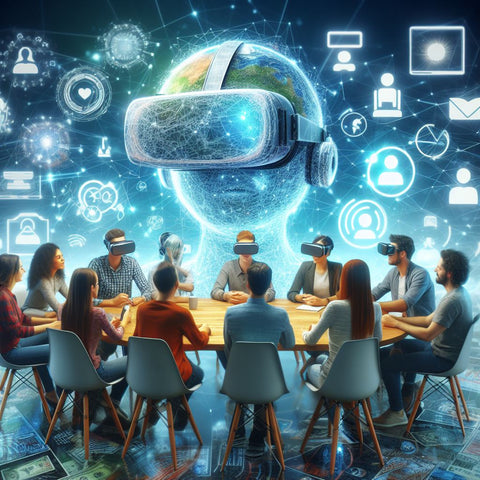
Social Media: Social interaction will increase through virtual avatars and environments; we will be able to form closer relationships with people far away and make new friends in virtual worlds. We will be able to give ourselves other identities, have other appearances, and possess other characters. VR and AR will make social media more interactive and immersive.

Future Outlook:
VR and AR are still developing technologies, with new applications discovered every day. In the future, VR and AR are expected to be widely used in education, healthcare, shopping, industry, and many other fields, affecting our lives in numerous ways.
How will VR and AR change our daily lives?
The answer to this question lies in the boundless potential offered by these exciting technologies.
VR and AR:
Our imagination and creativity: Creation in a virtual world will be possible for artists and designers. The virtual world could be a place completely detached from the reality an artist envisions, or an area another has not yet had the opportunity to visit, providing boundless inspiration for everyone. At the same time, students will be able to grasp abstract concepts more easily through VR and AR experiences.
Facilitating information acquisition and learning: VR and AR simulations and interactive experiences can enable us to learn complex subjects more easily and enjoyably.
Transformation in the business world: Applications such as remote work, virtual meetings, and AR-supported technical assistance and training will make the business world more efficient and flexible.
VR and AR are poised to improve healthcare services, assist individuals with disabilities, enhance social interaction, and offer innovations in many other areas.
VR and AR will inject infinite creativity and access to information into our daily lives, while also transforming every field from education to business, from healthcare to entertainment, opening the doors to a more interactive, efficient, and free life.