


Beard oil is a leave-in treatment product used to soften and moisturize beard hair and the skin beneath the beard. When applied in the right amount, it can help the beard look more groomed and reduce feelings of stiffness and dryness. In this guide, you can find out what beard oil does, how many drops to use, and the correct application steps.
What is Beard Oil?
Beard oil is a beard care product prepared by combining carrier oils such as jojoba, argan, sweet almond, and grapeseed, either alone or in different proportions. Perfume or essential oils may also be added to some formulas to provide fragrance.
As a beard grows, the beard hairs and the skin beneath can feel dry due to facial cleansing and daily conditions. Beard oil is used as a complementary care product that helps reduce moisture loss in this area and makes beard hairs feel softer.
Beard oil is not a styling product. It focuses on softening and providing care rather than holding the beard in place. For users who desire a distinct shape and hold, beard balm or styling products might be more suitable.
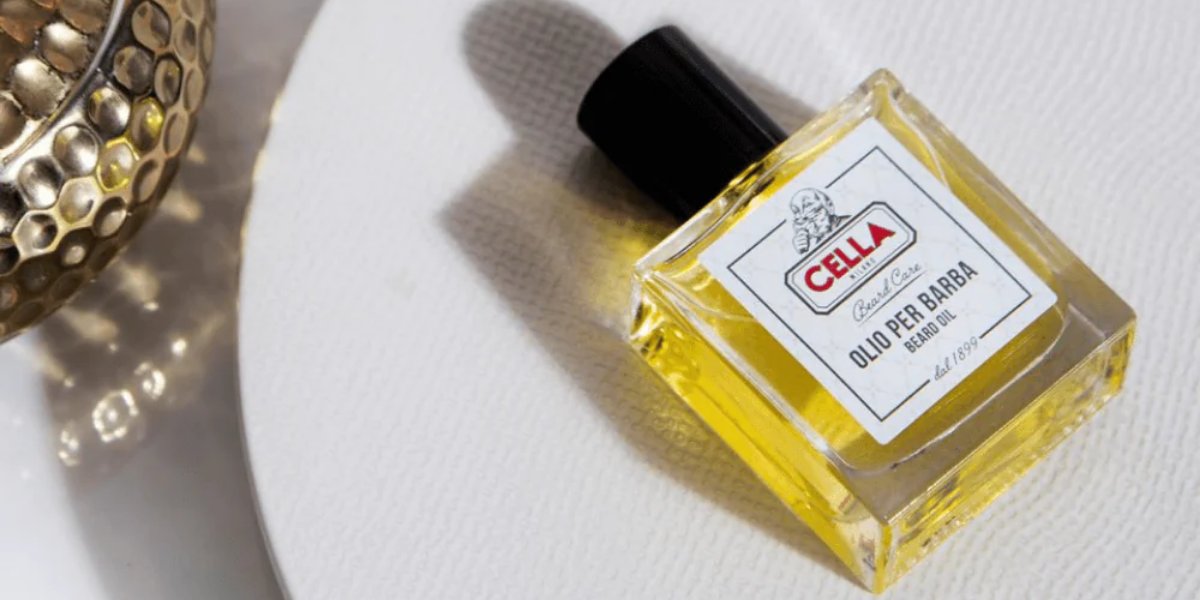
What Does Beard Oil Do?
The effects of beard oil can vary depending on the formula used, the beard's texture, and skin type. When used with the right product and in the correct amount, it can help with the following:
- Makes beard hairs feel softer.
- Supports the moisture balance of the skin beneath the beard.
- Can help reduce tightness and itching caused by dryness.
- Makes beard hairs look more tidy and groomed.
- Helps a beard brush or comb move more easily.
- Can make unruly and coarse beards easier to control.
- If it contains fragrance, it imparts a subtle scent to the beard.
Beard oil is not a medical treatment. If there are persistent problems such as redness, severe flaking, wounds, pain, or acne-like issues beneath the beard, a dermatologist should be consulted instead of relying solely on beard oil.
Does Beard Oil Grow a Beard?
There is insufficient scientific evidence to suggest that beard oil creates new beard follicles or grows hair in genetically sparse areas. Beard density and growth patterns are largely related to genetics, age, and hormones.
Beard oil can make existing beard hairs appear softer, neater, and more groomed. This appearance can help the beard seem fuller; however, this effect is not the same as new hair growth.
How to Use Beard Oil?
1. Cleanse Your Beard
Apply beard oil to a clean beard. Dirt, sweat, and previous grooming products accumulated in the beard during the day can make it difficult for the oil to distribute evenly.
After washing your face and beard with lukewarm water, gently pat dry with a clean towel. The beard remaining slightly damp can facilitate application; however, it should not be so wet that water drips from it.
2. Take a Small Amount of Oil
Dispense the beard oil into your palm. It is better to start with a small amount rather than using too much in the first application. You can add a few more drops if needed.
Since product consistency and dropper size can vary, the following amounts should be considered as starting recommendations:
- Newly grown or very short beard: 1-2 drops
- Short beard: 2-3 drops
- Medium length beard: 3-5 drops
- Long and dense beard: 5-7 drops or as needed
If the beard appears heavy, shiny, and oily after application, reduce the amount for the next use.
3. Distribute the Oil in Your Palms
Rub your palms together for a few seconds to spread the oil over your fingers and palms. This process helps the product transfer more evenly to different areas of the beard.
4. First Apply to the Skin Under the Beard
Pass your fingers through your beard and gently apply the product to the skin underneath. Applying only to the outer surface of the beard can prevent the skin from adequately benefiting from the product.
Ensure the product is evenly distributed, especially around the chin, sideburns, and mustache. Use light massage movements instead of rubbing vigorously.
5. Spread Through Beard Hairs
Distribute the remaining product on your palms through the beard hairs from root to tip. You can help the product reach the inner areas by first moving in the direction of beard growth, and then gently moving against it if necessary.
6. Brush or Comb the Beard
For medium and long beards, using a beard brush or a wide-tooth comb helps to distribute the oil more evenly. Brushing also tidies the beard hairs and facilitates styling throughout the day.
Browse beard and mustache brushes.
When to Use Beard Oil?
The most suitable time for beard oil is usually after a shower or facial cleansing. A clean and slightly damp beard can make it easier for the oil to spread evenly.
The product can be used as part of the morning grooming routine or applied in the evening if needed. More important than the timing of use is to avoid applying excessive product and to apply the oil to a clean beard.
Can Beard Oil Be Used Every Day?
Beard oil can be used daily when needed. However, the frequency of use should be adjusted according to beard length, skin type, season, and product formulation.
Individuals with dry skin or coarse beard hairs may benefit from daily use. For skin prone to oiliness and acne, a smaller amount or less frequent use may be necessary.
If burning, redness, itching, or acne occurs after application, discontinue use of the product. For sensitive skin, it can be beneficial to test a new product on a small area before applying it to the entire beard.
Is Beard Oil Applied to Dry or Wet Beard?
Beard oil can be applied to a dry or slightly damp beard. Applying it after drying your beard with a towel when it's still slightly damp can help the product distribute evenly through the beard hairs.
When applied to a very wet beard, the product may run off with the water and not distribute evenly. Application to a completely dry beard can be preferred when feeling stiffness or dryness during the day.
Should Beard Oil Be Rinsed Off?
Beard oil is a leave-in conditioning product. After applying the correct amount, it is left in the beard. At the end of the day or during the next cleaning routine, the beard can be washed with a gentle cleanser suitable for your skin type.
If you have used too much product, instead of vigorously wiping off the oily appearance of the beard with a dry towel, it is better to gently wash the beard and reapply with a smaller amount.
What to Consider When Choosing Beard Oil?
Skin Type
If you have skin prone to oiliness and acne, choose lightweight and non-comedogenic products. The phrase "non-comedogenic" on the product label can be helpful when making a selection.
For dry skin, more nourishing and richer formulas can be preferred. For sensitive skin, fragrance-free or lightly scented products might be more suitable.
Ingredient List
Check the product's ingredient list. Carrier oils such as jojoba, argan, sweet almond, and grapeseed are commonly used in beard care products. However, natural ingredients do not mean that a product will not cause irritation in everyone.
If you have sensitivities to certain oils or fragrance components, carefully examine the ingredient list before using the product.
Scent
Since beard oil is applied to an area close to the nose, its scent can be noticeable throughout the day. If you also use perfume, you can pay attention to whether the beard oil's scent is compatible with your perfume.
If you are sensitive to scents, unscented or lightly scented products might be a better choice.
Texture and Absorption
A good beard oil, when used in the correct amount, should not leave a heavy and sticky layer on the beard. Lightweight textures can be preferred for fine and short beards, while richer formulas can be chosen for long and coarse beards.
Discover Bonherre beard care products.
What is the Difference Between Beard Oil and Beard Balm?
Although beard oil and beard balm have similar grooming purposes, their usage and the results they provide differ.
- Beard oil: Focuses on moisturizing, softening, and conditioning beard hairs and the skin beneath.
- Beard balm: In addition to conditioning, it can provide light to medium hold and control for the beard.
For short to medium-length beards, oil alone may be sufficient. For long, unruly, or difficult-to-style beards, a small amount of balm can be used after the oil. If both products are used together, amounts should be reduced to prevent excessive product buildup.
Explore beard moisturizing and styling products.
Mistakes Made When Using Beard Oil
- Using too much product at once
- Applying the oil only to the outer surface of the beard
- Applying to a dirty beard or a beard with product buildup
- Completely neglecting the skin underneath the beard
- Continuing to use a product that causes irritation
- Believing that beard oil will grow new beard hair
- Assuming the same product is suitable for all skin types
- Applying oil directly to a wet, dripping beard
How to Establish a Simple Beard Care Routine?
- Gently cleanse the beard and the skin underneath.
- Gently pat the beard dry with a towel.
- Apply an appropriate amount of beard oil to the skin and beard hairs.
- Comb or brush the beard to distribute the oil evenly.
- Shape with a small amount of beard balm if necessary.
Instead of using numerous products for beard care, using a few products suitable for your skin and beard type regularly and in the correct amounts constitutes a healthier routine.
For proper preparation and technique during periods when you completely shave your beard, you can review our traditional wet shaving beginner's guide.
Frequently Asked Questions About Beard Oil
What does beard oil do?
Beard oil helps to moisturize beard hairs and the skin beneath the beard. It can make the beard look softer, neater, and more groomed.
How is beard oil used?
Apply a few drops of oil to a clean and slightly damp beard. Massage the product first into the skin beneath the beard, then through the beard hairs. Complete the application with a brush or comb if necessary.
How many drops of beard oil should be used?
For a short beard, 1-3 drops, and for a medium-length beard, 3-5 drops might be sufficient to start. The amount can be increased for long and dense beards. Since product consistency and dropper size can vary, start with a small amount.
When should beard oil be applied?
The most suitable time is after showering or facial cleansing, when the beard is clean and slightly damp. It can be used in the morning or evening as needed.
Can beard oil be applied daily?
If the skin and beard type are suitable, it can be used daily. For skin prone to oiliness or acne, it may be necessary to reduce the amount and frequency of use.
Does beard oil grow beard hair?
There is insufficient scientific evidence to suggest that beard oil creates new beard follicles. It can make existing beard hair look softer, neater, and more groomed.
Should beard oil be rinsed off?
No. Beard oil is a leave-in conditioning product. After applying the correct amount, it is left in the beard and rinsed during the normal cleaning routine.
Can beard oil be applied to a mustache?
Yes, a small amount can be applied to mustache hairs. Care should be taken to avoid contact of the product with the lips and inside the mouth.
Expertise and Source Note
This content provides general care information and is not a substitute for medical diagnosis or treatment. If there is persistent itching, severe flaking, redness, pain, or wounds beneath the beard, a dermatologist should be consulted. Information regarding moisturizing the beard and the skin beneath it has been prepared utilizing the American Academy of Dermatology's healthy beard care recommendations.