


The caravan is a wonderful invention. Perhaps it's one of the inventions that connects modern humans to nature the most, whether it's helping us escape the concrete jungles and reach real forests, or allowing us to take our living space wherever we want, like a turtle carrying its home on its back. It's a vehicle that allows us to watch the sunset on the Aegean coast one evening and, the very next morning, have breakfast with fresh butter in a village harmonious with the greenery of the Black Sea, all while never actually leaving our home. (We took a deep breath looking out the office window as we wrote these lines.)
We could talk for hours about caravans and the opportunities they create. We could give you a list of places to visit and then write down the names of the sweetest local restaurants with a "Don't leave without tasting these." But we have more special plans for you. We want to tell you how to find the best caravan for yourself, and how to prepare yourself and it for this adventure.
We want you to see your caravan's maintenance, its suitability for you, and its advantages and disadvantages. So why are we waiting? Let's get started right away!
Preparing for a New Life
Before taking this life-changing step, there are a few things you need to know to see if you can adapt to caravan living and prepare yourself in advance.
Living in a caravan, even for a short time, means that almost every moment of your life needs to be organized and planned. And that doesn't just mean your wardrobe being organized or having thought about what you'll eat that evening.
In a life away from the city, it might not be possible to go and buy the food you want at any moment. Furthermore, considering the size of a caravan's refrigerator, it's highly likely that you'll only be able to carry a few days' worth of provisions. You might need to plan what you'll eat every day and prepare accordingly. At the same time, since you no longer have a washing machine that you can easily fill with dirty clothes, you'll also need to think about your clothing in advance.
Going to places no one knows about, that aren't easily found online, is one of the best activities you can do with a caravan. And waking up in such a natural wonder is priceless. However, you need to know in advance that you can't park your caravan just anywhere. Unfortunately, staying in a caravan in random areas outside designated caravan parking lots anywhere in the world is forbidden, so you should calculate where you'll stay and how long it will take to get there in advance.
When you decide to live on the road, you need to be organized not only inside the caravan but also in other areas of your life. Let's say you decide to combine your caravan life with your professional life and become a digital nomad. You'll certainly need internet to continue doing your work. For this, you need to know where you'll have internet access or get familiar with internet systems specially designed for caravans. So, you might need to do some preliminary research here too.
The first thing you need to know is your level of internet need. Are you a freelancer who needs constant internet access, or do you say, "it's enough if I can play my own music on the road"? You should know this first. To test this, checking your internet usage during a normal month at home will be very helpful in determining how much you'll need. If you don't think you'll use much internet, you might prefer to use your phone's data. However, we recommend switching to a provider with wider coverage.
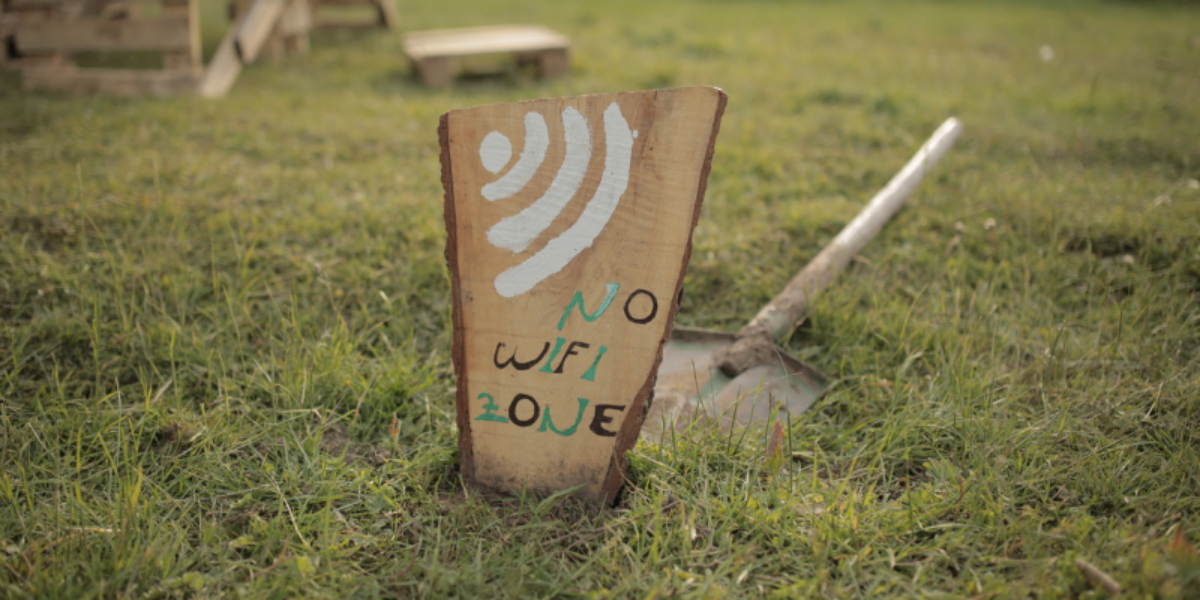
If the internet will continue to be an important part of your life while living in a caravan, then a visit to the service providers' dealers is in order. You can find both limited and unlimited packages from different brands according to your needs. The pricing isn't much more expensive than regular home internet, so rest assured. With such a system, you can connect to the internet from anywhere your phone gets reception.
Another point to consider when it comes to the internet is electricity. The modem you use will need a constant power supply to stay connected to the internet. You wouldn't want your internet to cut out when you turn on a light in the caravan, surely. Considering that caravans generally have 12-volt cigarette lighter sockets and at least one 220-volt outlet, it's to your advantage to get a modem that can run on at least 12 volts.
We're talking about caravan voltages in general terms, but don't forget to check your own.
As understood, living in a caravan is quite planned and minimalist. Before embarking on such a journey, it is essential to know if you can live in these conditions for a long time, meaning you must know yourself well. To help you understand yourself better, we have a test perfectly suited for you and supported by caravanners: minimalist living at home!
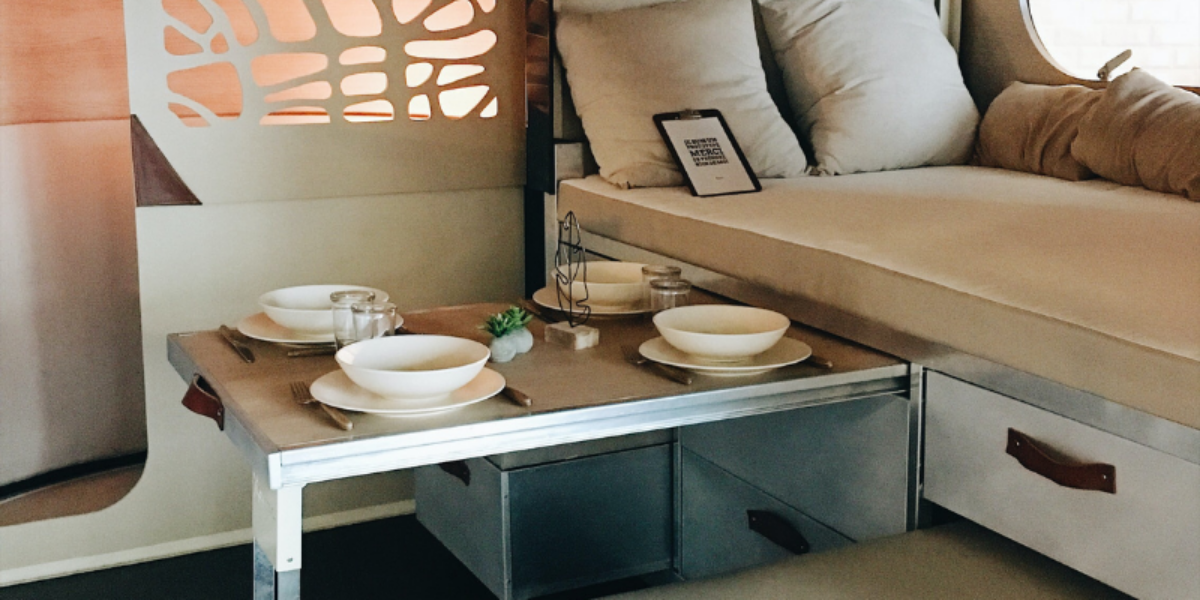
You need to strike a good balance between the items you need and use regularly in a caravan, and the "I might need this one day" items. Taking plenty of supplies with you is the easiest part, but this situation can become frustrating when you need empty space. You can discover the items you'll need in a caravan by acting as if you're already living in one at home. Okay, we admit, it might seem like a ridiculous idea at first, but the experience you gain will be very useful on the road.
You can start by paying attention to which items you use frequently throughout the day. For example, when was the last time you used that backgammon set you bought thinking you'd definitely play it, or will you really need such a large drill, and wouldn't you free up a lot of space if you downloaded the books you stuffed into your bag as e-books on your phone?
Another thing you'll want to learn is that some items can be used for different purposes. Sometimes a key isn't just a key, but also a bottle opener, it's useful to keep that in mind. As you experiment, you'll see how many items you can actually use for various purposes.
Buying or Renting a Caravan

The caravan experience opens doors to many possibilities you didn't even realize existed in your life. Holidays are no longer just places to stay, but a journey to embark on, the wind felt in your ears, and freedom to be experienced. If you don't already have a caravan, you might find yourself stuck between buying or renting. But don't worry, we've examined both from a broad perspective, with their pros and cons.
Renting helps you see if caravan life suits you. Spending a large sum of money on a new caravan and then realizing you don't like the difficulty of parking it or getting tired of managing its water and electricity everywhere you go can be frustrating. Renting allows you to become familiar with the general aspects of caravan life, such as using the caravan, maintaining it, and cleaning it. This way, you can find out if your first journey will be your last, or if the roads are now yours.
Another advantage of renting is the ability to test and compare different models. If you haven't had such an experience before, you might not fully understand what's good and what's bad in a caravan at first glance. Trying different caravans and testing models will greatly help you find the exact vehicle you want in the future. Caravan taste, you know.
Anyone who has spent a lot of time in a caravan knows that your wheeled home must be ready for every season. For example, you must install the necessary tires for winter, clean the tanks, keep the exterior and interior constantly clean, adjust your clothes according to the season, and take precautions against insects that emerge in summer. Short or medium-term rentals mean you won't have to deal with any of these. You'll enjoy it, and someone else will do the cleaning.
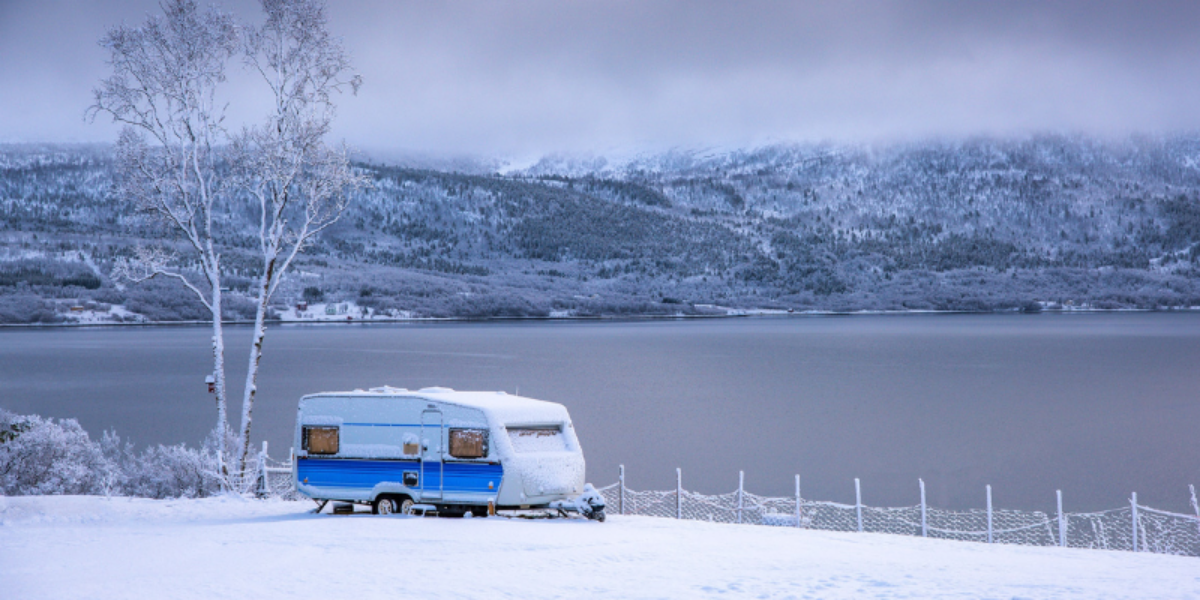
Of course, there's also the financial aspect. Renting a caravan is, obviously, a more economical solution than buying one.
Of course, renting also has its disadvantages. When you rent a caravan from a rental company, you sign many contracts written in legal jargon. If you don't fully understand the written rules and carefully follow them, you might end up with a higher bill than expected. Moreover, in the event of an accident, if you haven't paid an extra fee for insurance, you might have to pay even if you're not at fault.
There are special parking areas for caravanners to park and stay for long periods. So, unfortunately, you might not be able to park your caravan just anywhere you want, keep that in mind. Also, it's important to remember that you may need to pay an extra fee for some, relatively better maintained, caravan camps.
Owning a caravan is like the combination of the day you bought your first car and the day you bought your first home. Suddenly, all roads are yours, possibilities are limitless, and the only limit is the asphalt. Roads are no longer just straight lines that take you from point A to point B, but the very essence of fun and adventure. Of course, it's your right for your caravan to be as unique as the experiences you'll have. This is where the advantage of owning a caravan begins.
The caravan is entirely yours. You can make any changes and improvements you want, creating an environment where you'll be happy, peaceful, and safe. Moreover, in this pandemic era when camping and caravan culture is popular, it's quite easy to acquire new ideas and communicate with other caravanners.
Your caravan will always be ready for you. Without the months of calling ahead to rent, the effort to find the right caravan and date, you're on the road whenever you want.
In addition to all these advantages, your caravan can also earn you money. Instead of waiting in a garage when you're not using it, you can rent your caravan to others. Initially, giving your home keys to a stranger might not seem very safe, but you can protect yourself by using certain rental vehicle applications.
However, at the end of the day, buying a caravan is a big investment. Considering the increasing prices today, you must be sure that you can truly appreciate this purchase. Moreover, it's to your benefit to consider tax, insurance, and maintenance costs in addition to the caravan's price.
Speaking of maintenance, you are entirely responsible for your caravan's maintenance. This means not only cleanliness and order but also the maintenance of the engine, electrical system, and air conditioning. You should always be ready to remove and install a few screws.
Caravan Maintenance
You're ready for the road, but is your caravan? It needs maintenance, of course.
The battery in your caravan, like in cars, can die if not used. If you've chosen a caravan that hasn't been used for a long time as your travel companion, checking its battery before you hit the road will benefit both of you.
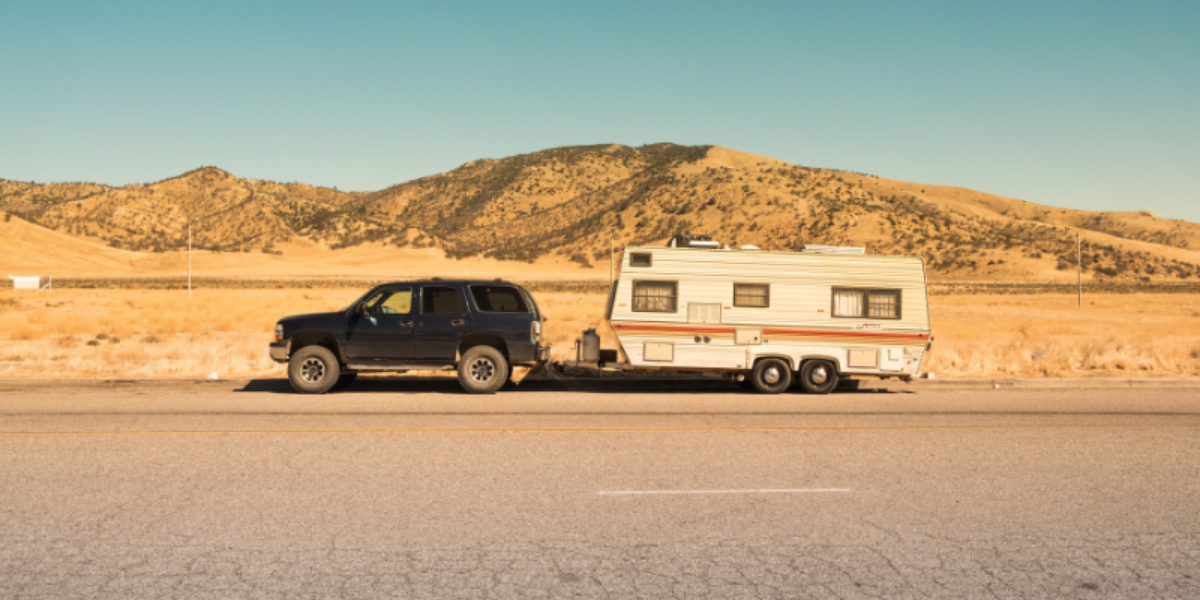
One of the most frustrating things that can happen to you far from the city, deep in nature, is a flat tire. Maintaining your tires, or even replacing them, before they hit the asphalt will protect you and your enjoyment from such unpleasant events.
Before you start traveling with your caravan, we recommend checking all the electronic components and making sure they are all working as they should. Replacing broken or burnt-out bulbs, checking the electrical system on the console, and testing the outlets in the caravan before enjoying the road will help you avoid roadside mechanics.
Of course, these are the most common types of maintenance that come to mind. Considering that caravans have a few extra systems, the things you need to do before hitting the road will be a little different from regular car maintenance.
The first, and perhaps most important, of these regular maintenance tasks is the plumbing system. A potential problem in the plumbing system can put you off caravan living. Therefore, it's beneficial to ensure that the plumbing system is sound before you set off. Especially during the winter months when the vehicle is in the garage, you should inspect for cracks that may occur due to stretching in the pipes and frequently clean the water tank to prevent bacterial growth.
In addition to the water system, checking the toilet system in the caravan, if it has one, can also save you a headache. Leaks are a common problem in caravan toilets, which are exposed to much more shaking and bouncing than their household counterparts.
Another common problem in caravans is roof and window leaks. As we all know, caravans do not have sloped, tiled roofs like those we see on normal buildings. Water accumulating on top and constant exposure to the sun can damage the caravan roof in the long run. Also, unlike in homes where windows are often siliconed to prevent sound and water leaks, caravan windows are not. Caravan windows are secured with special sealants designed to absorb vibrations and prevent the glass from breaking. However, especially in caravans that have been used for a long time, the sealing properties can be lost due to the impacts they have been exposed to. In short, it might be a good idea to test your caravan's waterproofing before you set off.
Living in a caravan means seeing life from perspectives you've never experienced before and creating unforgettable moments. As the Bonherre team, we are with you at this stage of your life and we support you!